Posts tagged ‘cape hatteras’
Seasons of Change on the Outer Banks
As October comes to a close in the next several days, we should anticipate that the next phase of fishing here on the Outer Banks is close. The past two months, we have enjoyed surf temps in the upper 60’s and 70’s and extremely mild conditions. Some days were absolutely beautiful – it’s “wish you were here” weather. Fishing has been exceptional. It seemed that every species were more abundant than years past. I have caught more fish this fall then most years.
And it seemed that I caught fish on any lure or bait that I chose to use. I even caught a winter flounder on a trout jig.
The month of November brings big changes in both air and water temps. Waders and hooded sweat shirts are the standard attire. And those brave enough to venture into the surf in shorts or swim suits realize quickly of the mistake they made.
This month the surf begins to churn up from those frequent “nor easters” or fronts that we typically experience this time of year. The past week, the weather has begun to turn cold and raw. But as most seasons here, just wait for several days and it will change for the better.
One tip for fishing in November – get your heavy gear ready. Big bluefish and rockfish are just around the corner. More tips on preparing your gear in future blogs.
Until next time – Tightlines
My Special Trout Lure
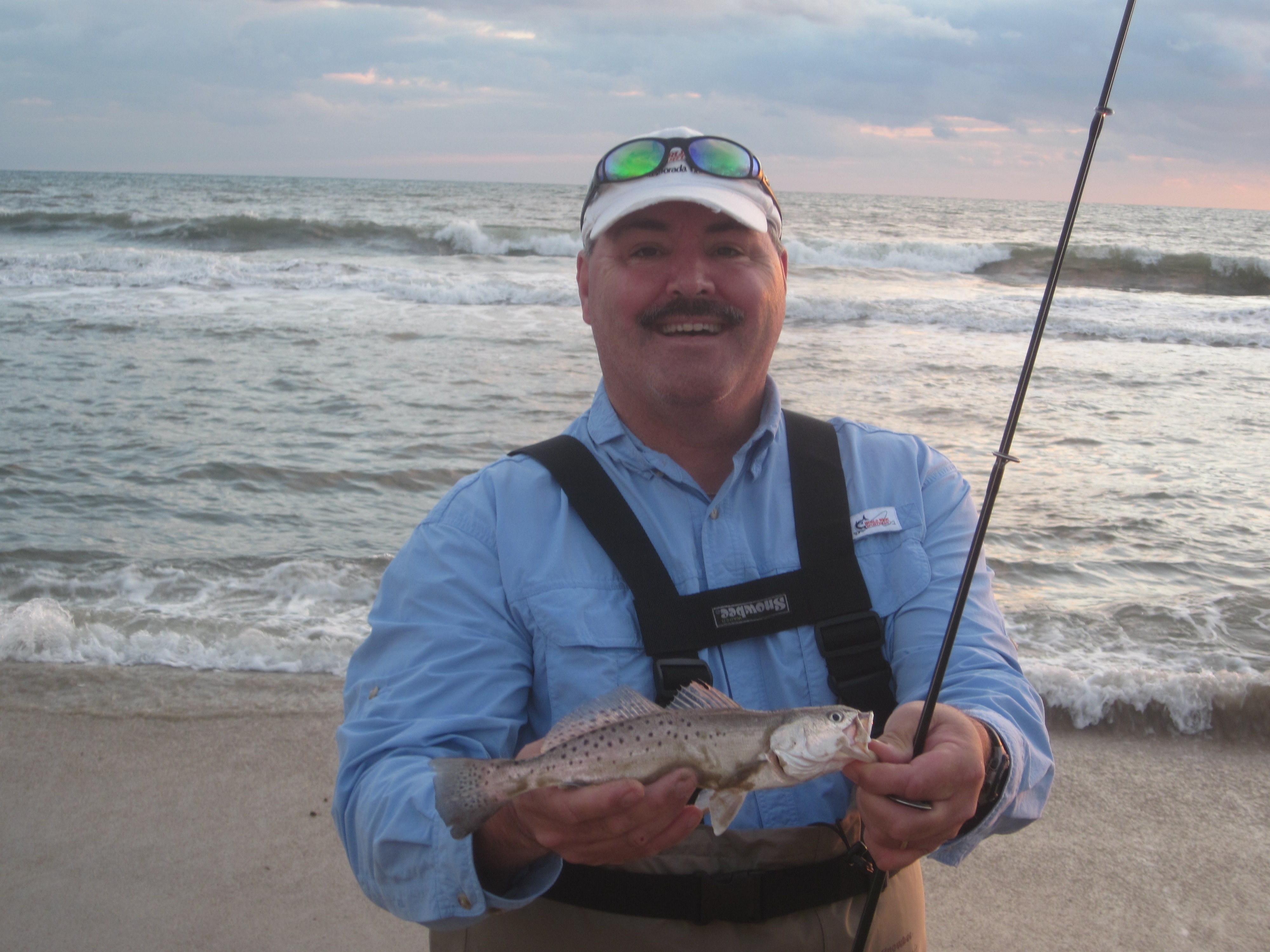 We talked about gear and locations on previous blogs. This time I would like to talk about a special trout lure set up that I have used with tremendous success.
I start with a good action rod and a fast spinning reel. The one piece rod gives me the ability to throw a light lure further. I load the reel with a good 10 lb. monofilament with a 20 lb. fluorocarbon leader.
Fish in the fall seem to have more teeth so a heavier leader material is a must.
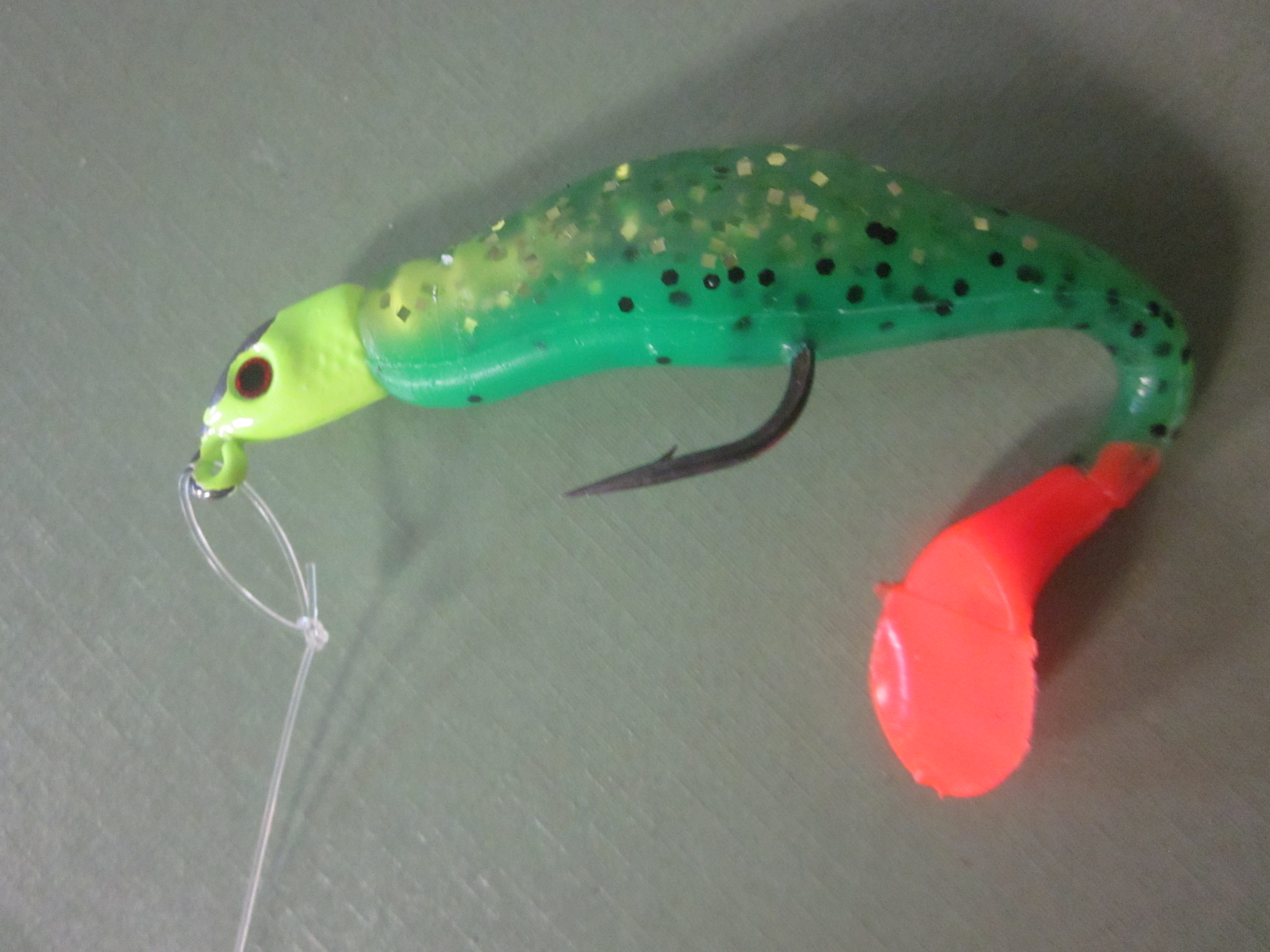 I tie a 1/8 oz. chartreuse flash jig head with a swimming “sea shad” paddle tail. There is no best color but I like the green speckled with an orange tail. Make sure you use a loop knot at the jig head for natural action.
Cast into pot holes, moving water, or out flows in the surf. I use a twitch, twitch, retrieve. Let the jig fall just a second then repeat. Wait for the bump, set the hook and hang on.
Does it work? – Well I caught over 50 speckled trout this weekend with several being some nice keepers.
Remember, it can’t get much better than fishing on the Outer Banks in October.
Hope to see you on the beach.
Until next time,
Tightlines
The Perfect Spot If You Know What to Look For
There are many ways to locate a perfect surf fishing spot. The old saying is, “you should fish where the fish are”. But without being facetious, that is not always easy. You can always call a local tackle shop or pier. They can only give you what other people have called in or what “has or is” happening at their location.
My plans don’t always allow me to fish at any optimum time or place. So I go when I can. My favorite spot is the surf. There are so many opportunities there. But you must know where there is a possibility of fish. Blind casting is fun but not very productive.
My first observation when surf fishing is to study the wave action and the beach configuration. I look for a steep drop off at the water line and the rip current. A good indication of a steep spot off is a gravel /shell pile.
Typically fish will be found in the sloughs. A slough is a channel of deeper water between the beach and the sand bar. The sloughs during incoming tides create a “river” of water traveling parallel with the beach. At the weak point in the bar, the water rushes out to sea. This is the rip current.
You should try to fish in this “river” just north or south of this rip. 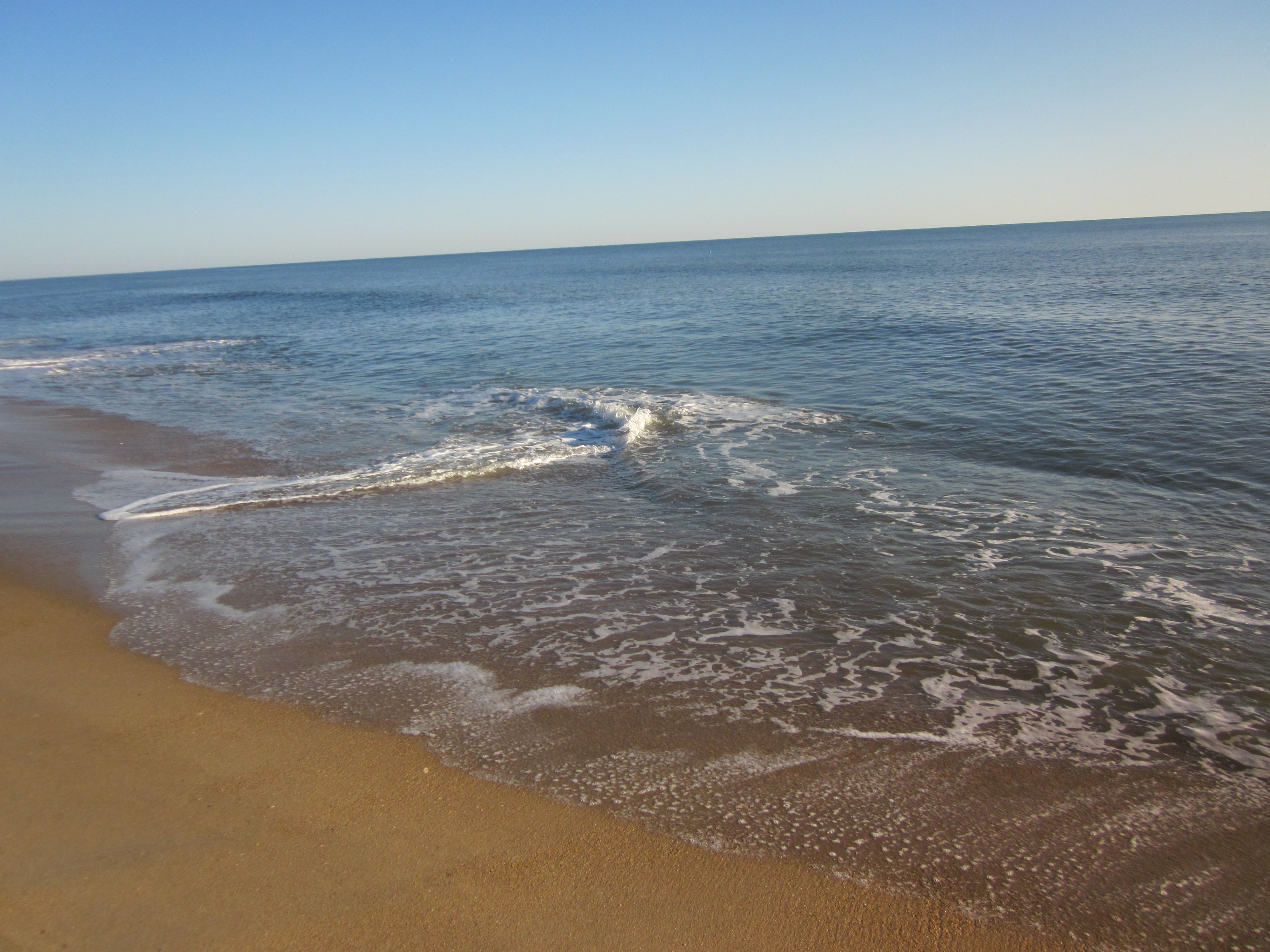 In this picture, you can see the beginning of a rip current being formed.
So next time you plan a trip on the surf, look for that tail tale sign. Now that’s where the fish are. Take it from me, this is where I have been most successful.
Until next time,
Tightlines
Isn’t It Time for Circle Hooks
Several years ago, here on the Outer Banks, I would watch dozens of fish get wasted – just left on the beach to die. At the time, many of the anglers would try to catch as many fish as possible. They never considered the impact of over fishing. And even less about returning this resource back into the water to be caught again. This resource was unlimited so they thought.
Although, many times anglers did try to practice conservation and consider releasing them only to find that the gear they were using caused deep gut hooking. This gut hooking caused significant damage to internal organs and would cause them to bleed out quickly. With a reduced survivability, these fish were just left on the beach to either be eaten by the birds or rot in the sun.
The culprit was “J Hooks”. These hooks were designed to increase the hook ups. Once you feel the bite, the angler sets the hooks and bingo, you are successful. But they decreased the survivability rate.
Recently, there has been a movement to change to less damaging gear. The circle hooks meets that goal.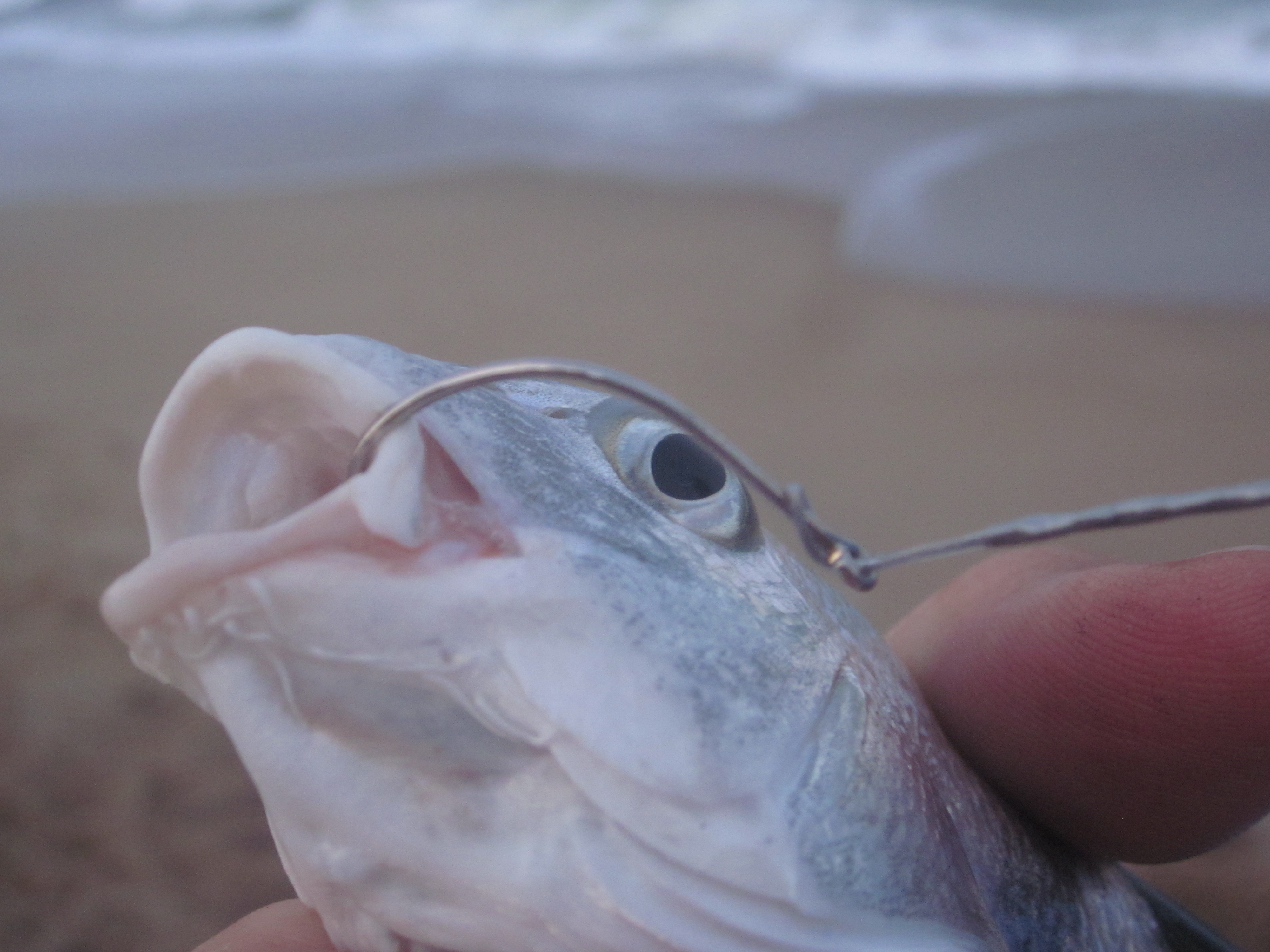
I have begun to use circle hooks on almost every gear set up. And guess what? I haven’t reduced my catches at all. In fact, I am catching more fish and releasing most to be caught again. You will find that most of my catches are with circle hooks. Check out the Black Drum I caught the other day using circle hooks. See how it just grabs the corner of their mouth?
Is there a place still in fishing for “J hooks” – sure but careful selection and use is imparative. Common sense plays a major role with their use,
Isn’t it time you jumped on the conservation fix? Our fisheries are not unlimited, and if you are not harvesting one to eat, release it to be caught another day. I think that is a pretty neat concept. How about jumping on that bandwagon with me? Future anglers will thank us for our commitment to this fishery.
Until next time,
Tightlines
Black Drum in the Surf
I spent several evenings over the past week trying my luck at surf fishing. It seems that this was my lucky week. I hooked up with a smorgasbord of bottom fish. I caught Black Drum, flounder, spot, croaker, bluefish, sea mullet and blow toads.
I selected the best times where the incoming tides hit the beach at the early evening. Two to three foot waves struck the beach causing a slight chop. Water temps were still in the low 70’s.
Once on the sand, I searched for the break on the bar where the weakest point of the slough pushed water back off the beach. This is where the chaos begins and weak fish tumble in the waves being tossed around in a confused state.
I found this spot easily and proceeded to cast into the wash – just inside the breakers. Bingo – fish after fish. I used my 7’ Falcon Medium Gulf Spin rod with just enough backbone and a light tip – great for felling those tender nibbles. My Daiwa Coastal 3000 reel gave me the ability to retrieve the fish before, they could spit the hook. Fresh shrimp was bait of choice and definitely small pieces on the #4 circle hooks.
There were times I was catching two at a time. What a day!
They say October is for playoff baseball but this week it was for great bottom fishing on the Outer Banks surf.
Until next time,
Tightlines
Learn to Fish with a Pro
I have been fishing for well over 50 years. Yes, and I can say with confidence that I think I know most when it comes to fishing. Or so I thought. In a previous blog, I shared with you pictures of one of my fishing experiences. This trip turned out to be second to none. It turned out to be one of those trips of a lifetime.
The first mate and I hooked up with Capt. CA Richardson, the host on the popular Flats Class TV and a professional fishing guide. We fished out of O’Neill’s Marina, on the north end of the Skyway Bridge near St. Petersburg, Florida.
We used 7’ Falcon medium gulf spin rods, Daiwa coastal reels, Ohero 10# braid and top water artificial lures. We fished both incoming and rising tides. This gear allowed for the longest casts and accurate presentation. We tried several types of retrieves and presentations. We changed methods as conditions changed. It seemed Capt. CA knew how to track the fish and what worked and how to use it once we located our prey. The day was a unbelievable experience.
One tip I got from the trip was the longest cast catches more fish. Keep the lure or bait the furthest you can cast from the boat provides enough stealth that fish are not spooked. Baits and artificial appear more natural. Thus more hook ups.
If you want a fantastic trip for trophy redfish, trout or snook, hook up with Capt. CA.
His TV show web site is http://www.flatsclass.com/ . You can also contact Capt. CA on his web site at http://www.captaincarichardson.com/
You won’t be disappointed.
Until next time, Tightlines
Gulf Stream for Whites
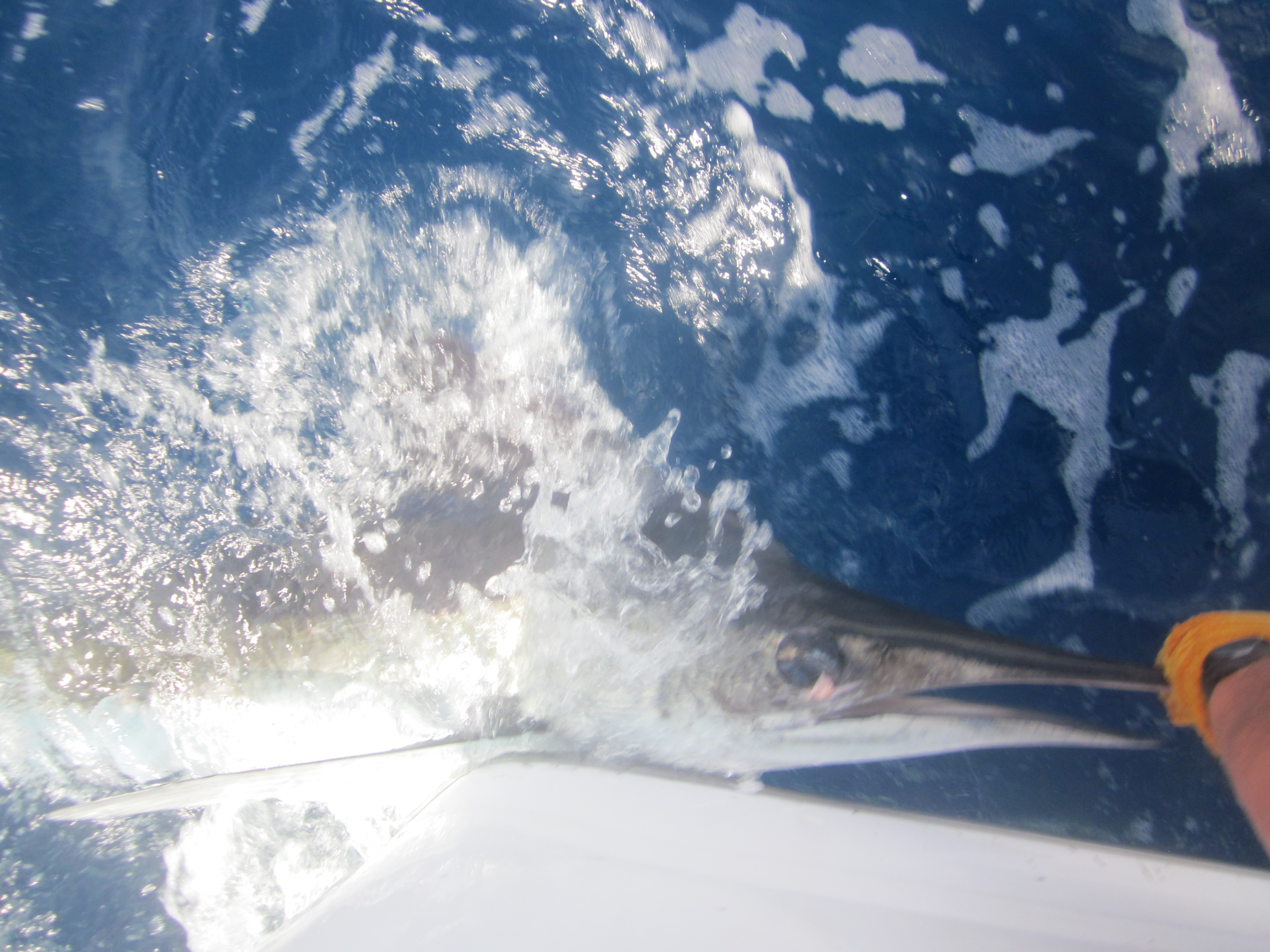
My off shore trip out of Ocean City, Maryland on 23 September was just outstanding.
We left the dock at 0415 on the Marli – 58′ custom Carolina Sportsman. Capt Brian had a goal of whites and meat. His charters this year had an outstanding bite, so we had high expectations. There were four fisherman, two mates and the captain.
With my turn in the chair, I hooked up on the first bull dolphin about 0730. The dolphin bite continued to be productive but somewhat intermittent throughout the morning. Everyone got into the party!!
About mid-morning I brought in the first yellow fin of the day. This fish weighed in at about seventy lbs. Great start. A short time later we had a quad hook up of yellow fin but only brought two in. These two weighed in at 60 lbs each. Not too bad.
Just after lunch the whites began to surface. During the next two hours, we hooked up with seven whites and boated four.
We finished our day with four white marlin, three yellow fin tunas and twenty dolphins. This ended up to be a great day in the gulf stream.
If you are looking for a charter out of Ocean City, ik recommend Capt Brian on the Marli. We stayed at the Comfort Inn which was 5 minutes from the Sunset Marina.
We have already booked our date for next year.
Until next time, Tightlines.
2011 Striped Bass Recreational Season Opens
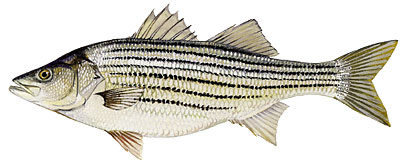
Today the North Carolina Department of Marine Fisheries announced the opening of the Striped Bass Recreational Season effective October 1, 2011 at 12:01 A.M.
Rockfish may be caught by hook and line in the Albemarle Sound Management Area seven days per week. These fish must be at least 18 inches and each angler may keep no more than two fish per day.
The season is scheduled to close at 1800 hrs., Monday, April 20, 2012 unless closed by the NCDMF proclamation.
It’s been a long time since we had a good stripe bass fishery. Only take what you can use. All others should be safely returned to the water.
Only you and I can preserve this important Outer Banks fishery.
Tightlines
Fall Fishing in the Outer Banks
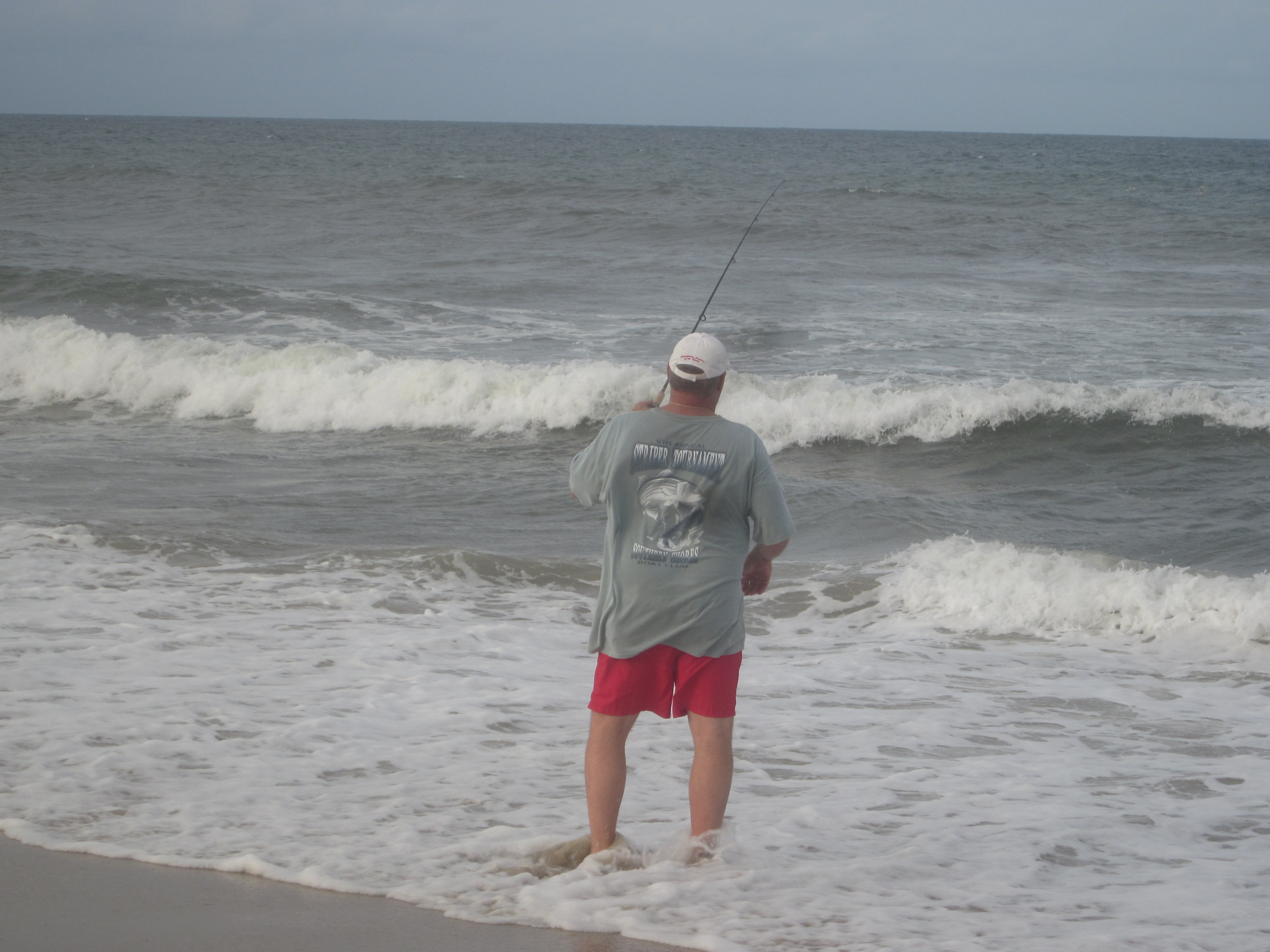 As we move into the fall season, we find saltwater fishing in transition. We go from a terrific summer bite in warm water where there is just something different on every cast. Then we move to a more targeted approach and many unpredictable conditons.
We are used to just throwing the bottom rig and waiting for the bite or using a small swimming jig. Typically, we find the smaller fish in the surf with an occasional trophy.
Our fall season opened this week with a bang. There was a 43″ – 26-1/2 lb. drum caught off the end of Jennette’s pier on Monday. As well as many pompano, croaker and plenty of spot still being caught on the surf. The water temps have been steady dropping but there are still many suitable species available.
September can be more of an unpredicatable time. Weather can be rough or calm. Seas can cause havoc with timing and patience. We need to begin breaking out the heavier gear. Line, lures and tackle should be thoroughly checked. The first thing we should do to open this season is replace the lines. Failing this basic chore can mean a disaster when you hook up with that prize. If you can afford it, go with braid. Any premium brand should work.
Next, I try to toughen up the hooks. Exchange the standard ones with a premium brand. They are easy to replace. This is where you should never go cheap. You should buy in bulk so you have replacements throughout the fall season.
Finally, you should check your rods and reels for damage and repair any findings.
Fishing gear in good condition increases your odds at success.
Until next time. Tightlines.
Trying Something New
I wanted to veer away from my standard fishing technique here is Florida.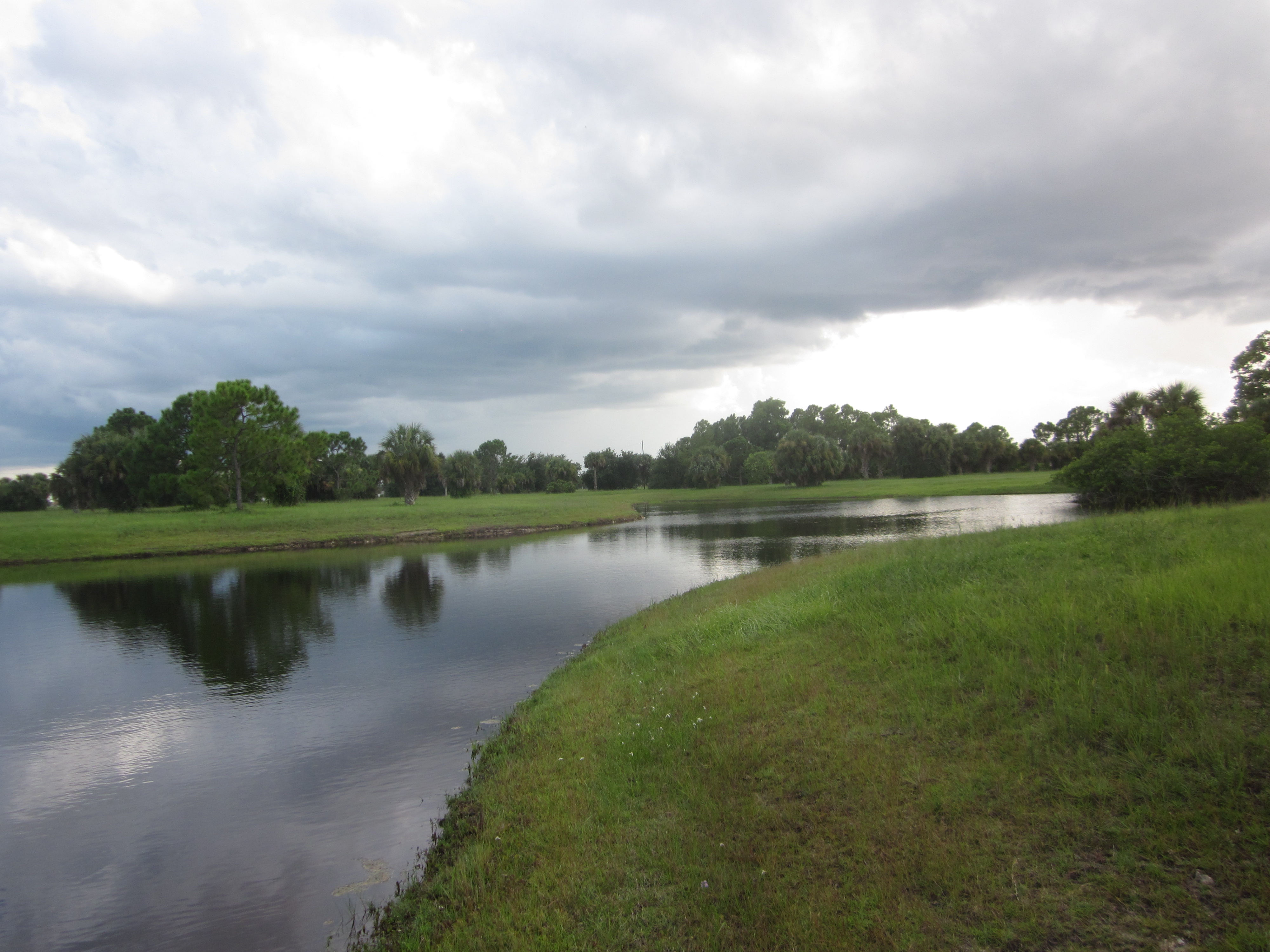
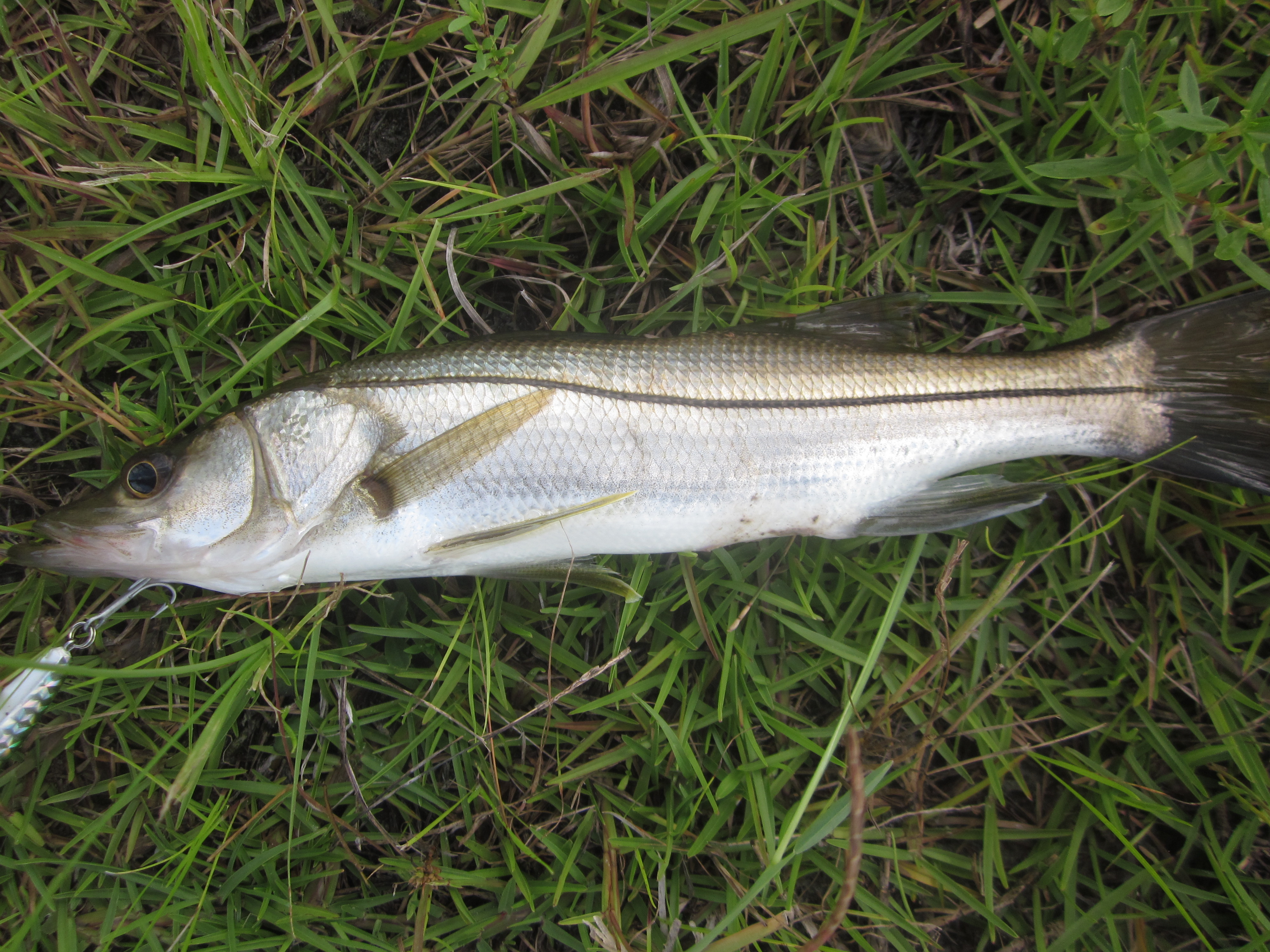
My neighborhood lakes just off the Charlotte Harbor hold dozens of landlocked snook, tarpon and variety of other species. I typically use a search method to find the fish. I cast in a fan style cast pattern – start casting to the left and moving right to eight o’clock then ten, then 12 and so on until you have made the half circle. If no hits, move down the bank several feet and cast again. This technique has always been somewhat successful. This techniques takes many of blind casts to finally hook up.
This time I wanted see if I could cast directly into the path of a moving snook and have him hit it. I used a 1/4 oz. Rapala swimming plug with “pro-cure” scent. I waited until I saw the v-path of moving water and casted about ten yards ahead. And it seemed that with every other cast, I was hooking up.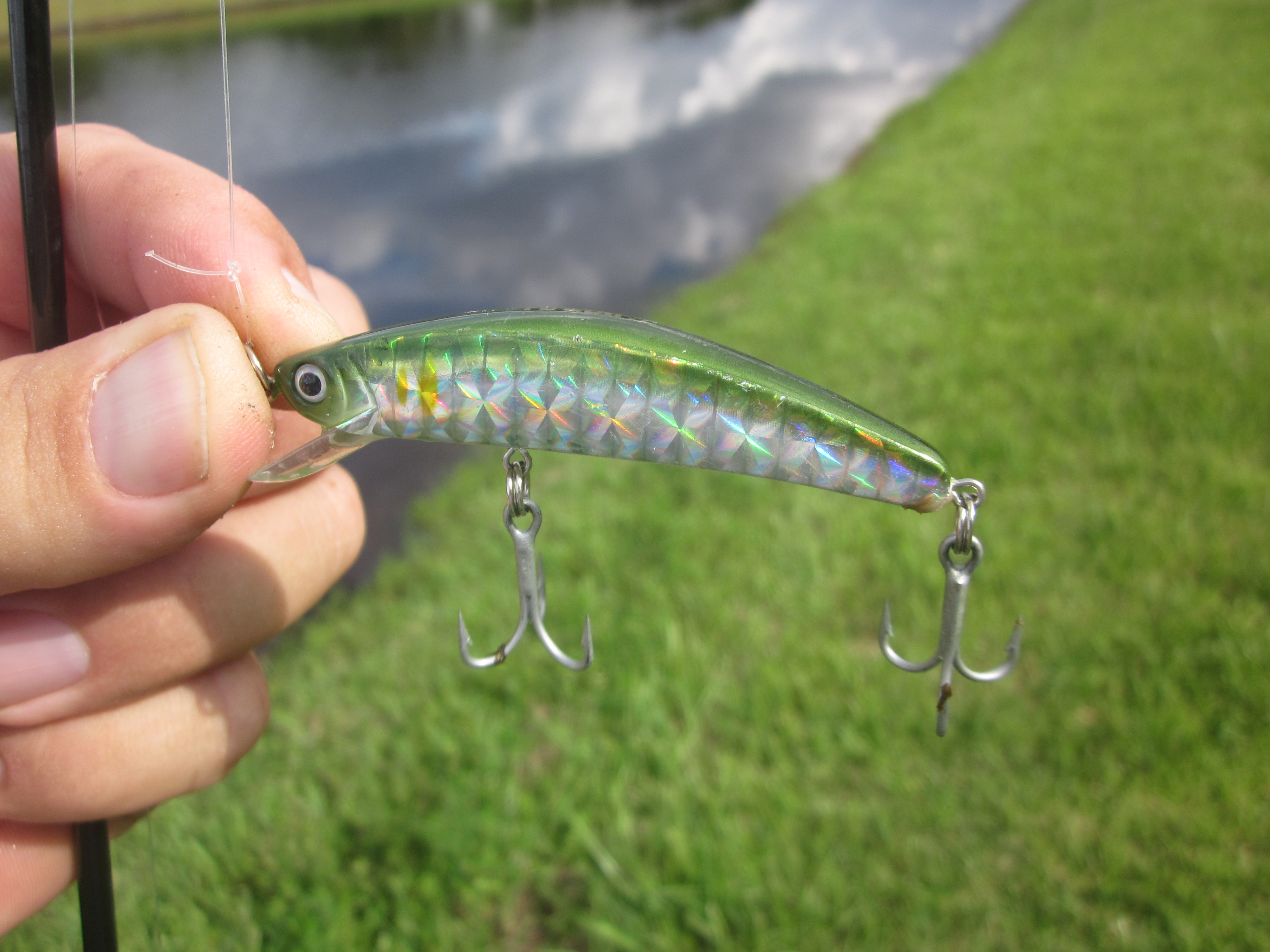
Not as much action fishing this way, but the hookups were consistent. I think the key was matching the other bait fish in the lake and putting the artificial right in front of the fish.
I am heading to Longboat Key today to try my luck.
Until next time, Tightlines.
 NCsaltaire