Posts tagged ‘beach’
The Usual Summer Faire
 Fishing on the Outer Banks in August moves our fishery from aggressive to slightly passive. The hot weather begins to warm our waters and the fishing slows down a bit. The surf and pier water temperatures can range between mid-seventies to lower eighties.
Sound temperatures can be even warmer. Our local species will seek cooler depths and when subjected to these changes and it causes them to become less likely to feed during those warmer parts of the day.
This temperature change causes most of large fish into deeper water and brings in the smaller ones who are now less fearful of predators. Although this is generally true, larger fish sometimes break that rule, so anything goes during this latter part of our summer.
In summer, I like to fish either early in the morning or early evening. The cooler air temperatures help cool the water and increases that bite.
Look for the outgoing tide during these times. If fishing on the surf, fish close in. Most of our summer species are feeding on the small sand fleas right in the wash. The slough, a shallow trough between the beach and sand bar is an excellent spot to find fish.
The best bet in August for our first time or regular angler is to grab a light to medium rod with a standard two hook bottom rig, bait it with a small piece of squid, shrimp or blood worm and hit the beach.
If you want a little more variety, the other option is to visit one of our many piers or bridges. Same fishing process applies – fish early and late and focuses on the bottom species. When fishing on the piers, I first watch others – what are they catching and how then mimic their style.
So grab a rod and head out. You will have a great time exploring our summer fishery.
And as always, know the rules, purchase a license and return any un-wanted fish back into the water carefully. For more information on fishing our beaches and piers, see several of my previous blog posts.
Until next time, Tightlines – Capt. Tony
SPOTTED SEATROUT RECREATIONAL – SEASON RE-OPENS
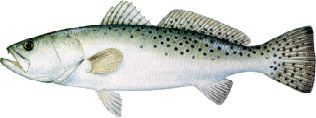
The Spotted Seatrout recreational season will re-open this Sunday, June 15, 2014 at 12:01 A.M.
The minimum size will not be less then 14 inches total length. And the recreational bag limit is not more than four (4) spotted seatrout per day by hook and line.
This fishery was closed this past winter after a significant cold stun event in February 2014.
Please note that just because this fishery has re-opened, it does not mean that it is free-run on this species.
Please practice good conservation techniques. Return all unwanted fish to the water carefully.
Until next time – Tightlines – Capt. Tony
Surf Fishing is Fun
 Fishing on the surf is one of the most relaxing and least expensive activities you can do at the beach. All you need is a rod, reel and several items to enjoy this hobby.
The first thing you want to do is research the regulations. Make sure you know the limits of any species you catch. Also, you may need a license to fish on our beaches. Licenses and rules can be obtained at any local tackle shop.
Next is selecting the spot on the beach. I always check with other local anglers or tackle shops for this information. They can usually point you in the right direction. But basically, any spot on our beach will hold fish.
Like any sport, you will need specific gear. These items will include a good medium seven rod and reel set up, a bottom rig, package of hooks, several different size sinkers and bait. If you don’t have your own rod and reel set up, a complete package can be purchased any tackle supply shop.
The standard rod and reel will already be rigged with line. You will attach the bottom rig to the line. You can either tie the rig directly to the line or tie a snap swivel to the line first and then hook the rig to this connector. A snap swivel allows for a quick change over if you need to replace the bottom rig. Not needed, but attaching the rig either way works great.
Next you want to install the hooks. Number four or six size hooks work fine. I slide the loop end of the hook line over the bottom rig loop and slip the hook through the bottom rig loop. This creates a strong connection. A sinker is attached to the bottom of the rig. I carry different size sinkers and attach the lightest one that will allow me to hold the bottom.
Bait is the most important component. I use table fare shrimp or fish bites. Do not peel the shrimp; just place a small piece on each hook. Sometimes, I insert a small quarter inch piece of a fish bite over the hook after the shrimp. This keeps the shrimp on the hook and prevents smaller fish from stealing the bait before a larger fish eats it. Remember – the fresher the bait – the better the chance for success.
Most bottom fish can be found within fifteen feet of our shore line. So cast just over the waves. Let the bait sit on the bottom and wait for the bite. The bite feels like a tap tap tap. When you feel the bite, just raise your rod tip and reel in. If your line moves on the bottom, change to the next size up sinker.
It’s that simple.
Fishing on the Outer Banks surf can be fun for the entire family. It’s inexpensive and an easy thing to do.
In my photo, I included a number of other parts of your fishing bag – sand spike, tape measure, finger nail clippers, piers, hand towel and a small knife. A copy of the NC Coastal Recreational Angler’s Guide is also a great resource. As with all hobbies, your gear may include dozens of other items – but these are the basics.
One final tip – release all fish carefully that you are not going to keep so they may be caught again. This resource can be depleted quickly if we don’t practice good conservation.
So the next time you have a little free time and want to learn a new hobby – take up fishing on our coast. It’s a great place to enjoy the outdoors and our beautiful beaches.
Until next time – Tightlines – Capt. Tony
A Little Diamond of a Place
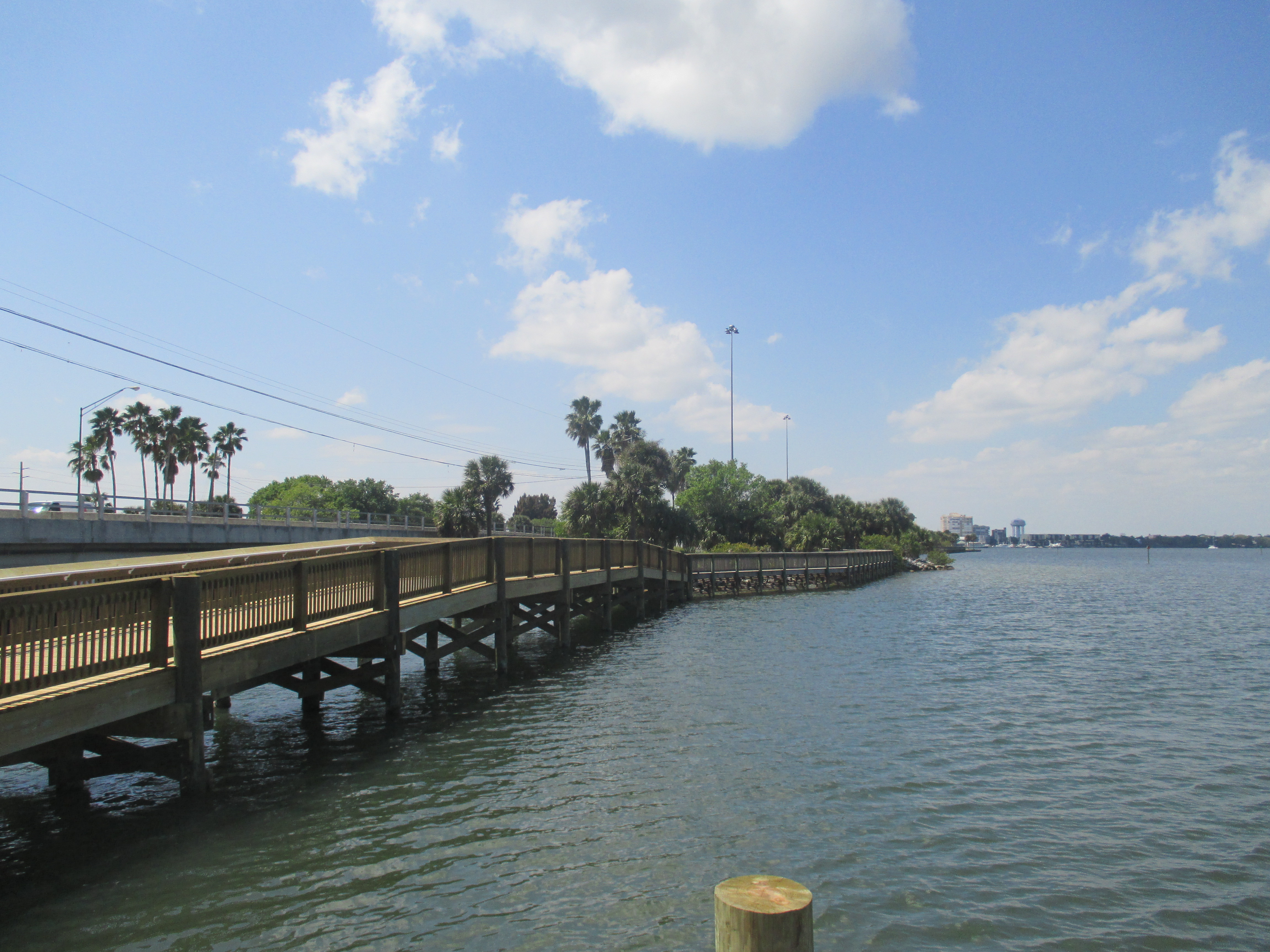 Following a recommendation for a good fishing spot is plain vanilla for most but locating a new spot that turns out to be perfect by accident is a diamond. This is what happened to me during a recent trip in east central Florida.
We had a free day between two MLB Spring Training games and decided to do some sightseeing in Brevard County. We traveled east from Route 95 over the Merritt Island Causeway when we got stopped at defective traffic signal. Looking for a place to turn around, we ended up in a parking lot of a restaurant and an old bait shop. The two buildings were at the base of the Causeway Bridge and just east of Indian River.
The tackle shop was located down a long driveway between the causeway and a small cove off the Indian River. The drive was well worn and past its usefulness but I was still able to find a safe parking spot. The shop was an old building converted into a bar, pool hall and bait shop.
I found an old dock adjacent to a cove with flat water and a new dock and walkway that extended out along the north base of the causeway bridge.
Cove had flat water close in and a fast current within a short cast of the old dock. The Indian River which fed the cove is one part of a large estuary along the east coast of Florida. The system consists of the Mosquito Lagoon, Banana River and the Indian River. So there was a good chance that fish would be there.
I tried several methods finally settling on live shrimp suspended under a weighted bullet float. My 7-1/2 foot light Falcon rod and Daiwa reel were my only other tools.
It seemed once I hit that change in water speed and bottom configuration, the fishing was tremendous. Every other cast was productive. Small throw back speckled trout was the main stay but blow toads kept me busy baiting back up.
Many times we over look an out-of-the-way places because they either look strange from the road or difficult to access. Keep an eye out for these unique spots. These just might be your next diamond.
Until next time – Tightlines – Capt. Tony
Lessons Are Not All the Same
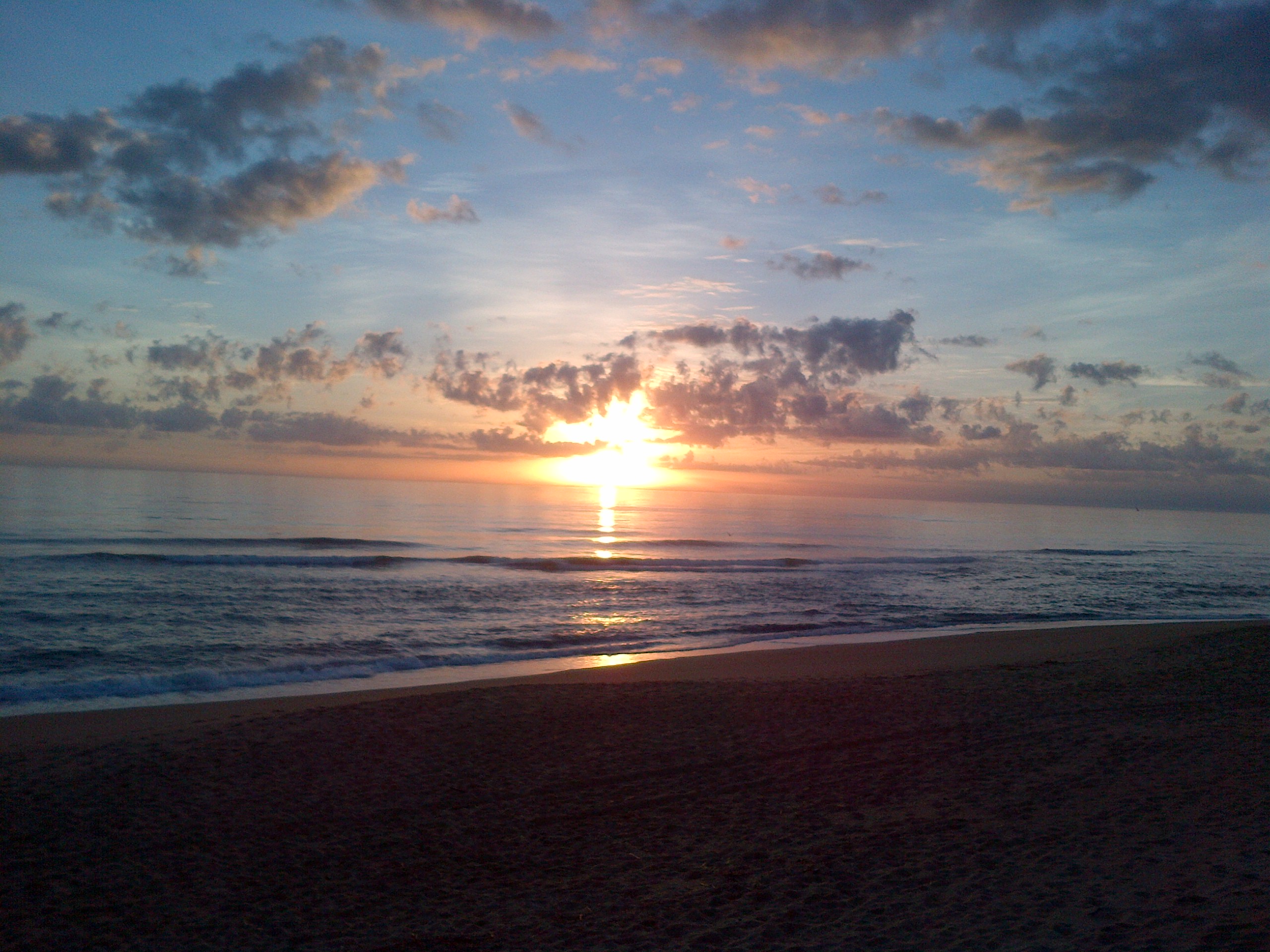 There once was an experienced angler who learned his trade hanging out on the docks and tackle shops. He was an educator by trade but longed for the sea life. As time passed on, he become a notoriety and a sought after guide and speaker at many of the local functions.
The once was a young lad who longed to learn the seas. He heard of this experienced angler who everyone raved about – this was the angler who could teach him the seas.
One day while visiting the docks the young lad ran into the old angler. He asked the angler for assistance to learn his trade. As a great educator, the old salt jumped at the chance to share his knowledge.
The young lad then asked when can we start? The answer was today but I want to walk one of the local piers first.
The angler walked out on the pier and immediately saw an old lady having trouble with her reel so he fixed it. As the walk continued, another had a tangled line and another trouble landing a fish and then another confused on the type of lure and bait. At each stop the angler helped the stranger to get it right.
All along the young lad became frustrated at the angler then asked “when are you going to start the lesson”?
The angler said to the young lad – “my poor lad, you have been in class for hours”. Fishing is more than just catching. It’s sharing your passion with others so they too may look and enjoy life differently.
Sometime the lessons we learn are not packed as we thought. Take someone fishing and teach them a lesson of life. Or just maybe the expertise you carry is just what others may need. Don’t pass up an opportunity to make someone smile!!
Until next time – Tightlines –Capt. Tony
Summer Fishing is Now
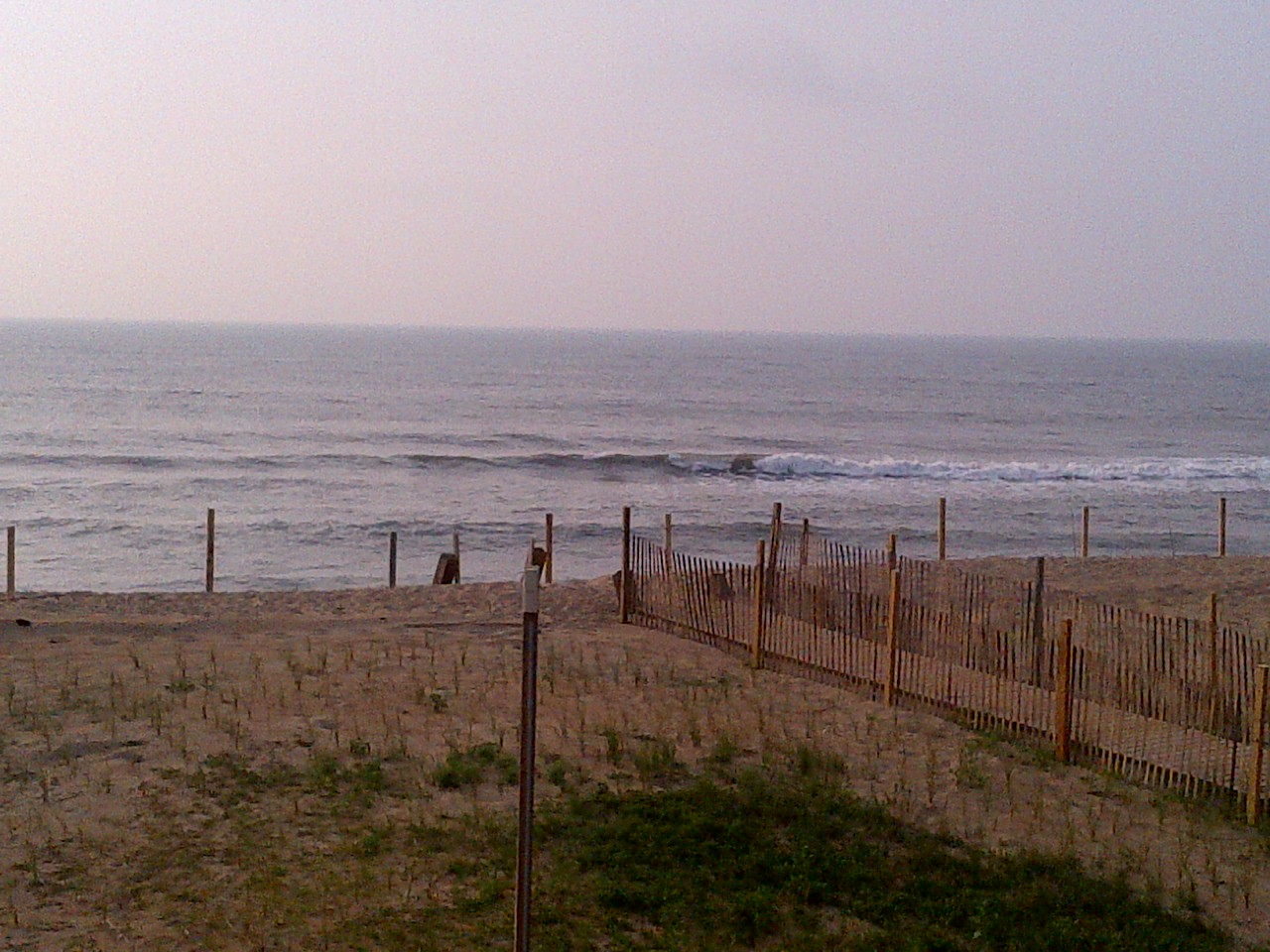 The first weekend in August means the advent of summer fishing. The summer has been extremely exciting for me.
I have fished from Duck to Cape Hatteras – catching near citation pompano in Buxton, landing plenty of speckled trout and dozens of small bottom fish at the various bridges and piers and surf.
I can’t think of a previous year that was this phenomenal.
So let’s talk about what we should focus on for the remainder of the summer.
I would recommend hitting the surf. Bottom fish are abundant right now in the wash. This method is an in-expensive way to enjoy angling and a great way to introduce the young ones to a fantastic hobby.
The equipment should be a light to medium 6 to 7 foot rod with a spinning reel. You can pick up a complete rod /reel set at any variety store but I recommend a local tackle shop. Not only will they provide a superior gear but advice to catch fish.
Bottom rigs with #2 or #4 “J” hooks are perfect. Look at the wave height and match the sinker to the current which will allow you to keep the bait fixed on the bottom.
In some cases, we want the bait to move in the wash, so don’t just focus on always holding the bottom – bank sinkers work best here.
Bait of choice is blood worms, fresh shrimp and sand fleas. I typically buy “table fare” (eating) shrimp and dig my own sand fleas. A lot of anglers use squid. And this is good bait for flounder but unless you are very patient, you will not find flounder as plentiful as other bottom fish. And young anglers can get bored quickly. So go after the more abundant species.
I always try to fish in the mornings and evenings. Fish feed more aggressively during these times.
Several other items you will need would be a sand spike, cutting board, and small bait knife, cooler to keep the bait fresh. I always take several extra rigs, hooks and weights so if I need to change out – they are available. A bucket, chair and fluids should round out the list.
So now you are ready – Right? Not quite. In North Carolina you need a license to fish. The local tackle shop can help here with the license requirements.
One final note – knows the species bag limits and only keep what you can use. And return the rest to be caught again.
So now you are ready. Good luck and keep me updated on your success.
Until next time – Tightlines. Capt. Tony
Fishing the Upper Florida “Keys”
Our travels took us to Key Largo, Florida after a short stop off in Punta Gorda. The ride was a nice 3-1/2 hour ride south on Rt. 75 to Naples, through the Alligator Alley, past Miami and on to Key Largo.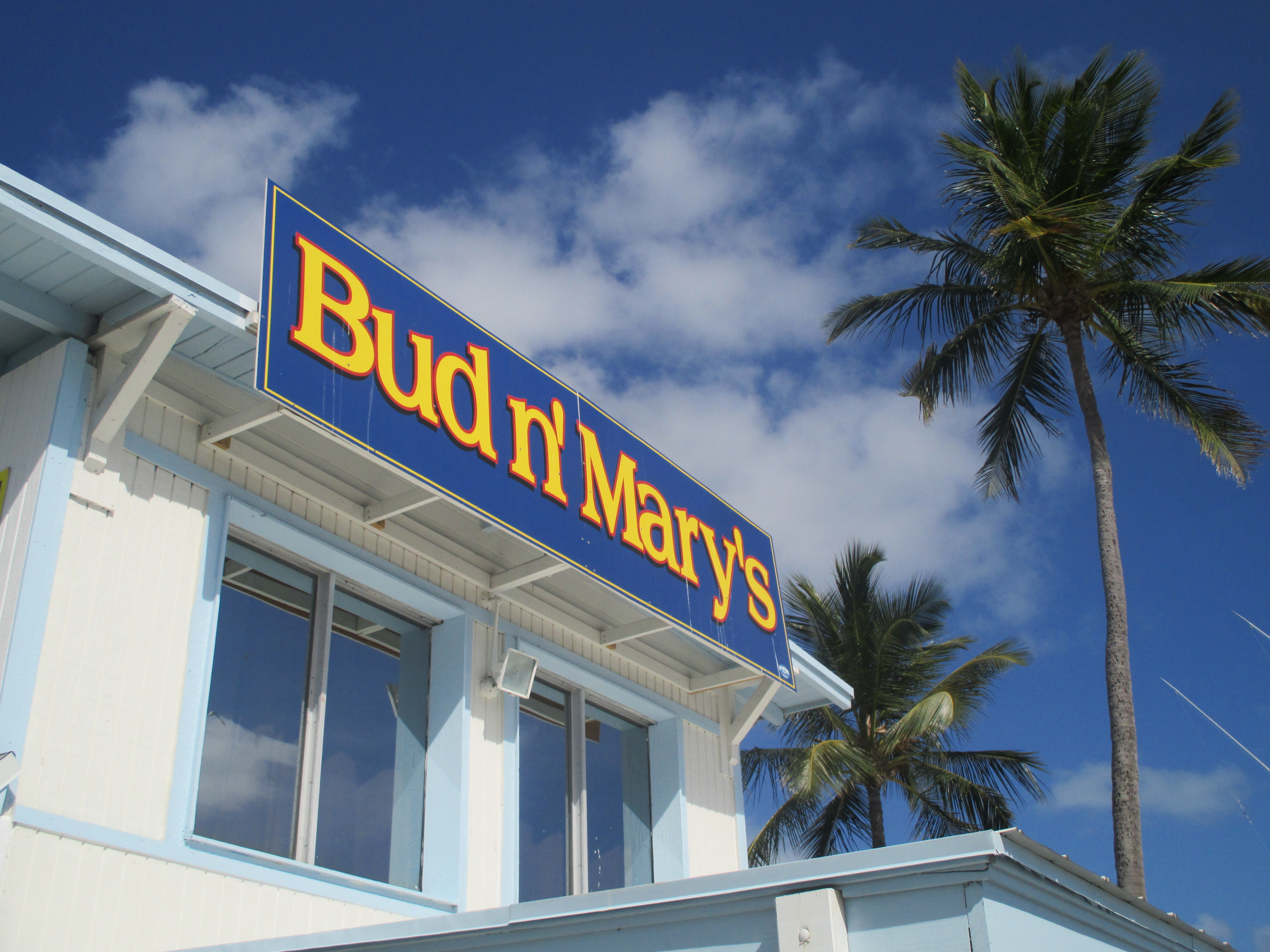
If you have never been to the Keys – Key Largo is your first set of “keys” just south of Miami. Since our function was in Key Largo we focused fishing on areas close to our hotel.
Our equipment was typical saltwater gear – 7 foot medium rod, Diawa-Procyon 3000 reel with 15 pound braid. I like to use the classic “Carolina rig”. It keeps the bait moving and on the bottom. The Carolina rig is a bottom rig with a sliding 1-2 oz. egg sinker just above the swivel. A #2-4 circle hook, connected to the bottom of the swivel, allows me to catch but not deep hook my prey. And of course, live shrimp is the bait of choice.
We fished several “keys” just south of Bud and Mary’s marina (http://budnmarys.com) in Islamorada. The many walls and bridges along route made it for easy access to the aqua green water and the multitude of fish. Fast moving currents under the bridges and near the shore afforded us the advantage of catching various types of fish.
Best bets for fishing the “keys” by boat. But on this trip, we left our boat at home, so shore fishing was our only option. We were successful with some nice mangrove snappers and plenty of small pinfish and grouts.
Tips for fishing the upper keys: plenty of bait shops will guide to gear, bait and locations. I stopped at the Yellow Bait Shop first. Fishing locations should include any bridge or shoreline just south of Mile Marker 79.8. Our hotel was the Holiday Inn Key Largo – just perfect for a memorable experience.
Want a great angling experience, try the Florida Keys. You won’t be disappointed.
Until next time, Tightlines. Capt. Tony
Homework for Better Angling
Wait a minute, “Captain Tony”, this is a fishing blog, not high school class. What are you doing talking about homework? Well, if you do a thorough job with your homework before heading out, this process will greatly improve your chances for angling success
My good friend, Capt. CA Richardson, once told me that you “catch more fish the night before”. The more you know about your prey and their preferences and weather and water conditions will be the differentiator between a successful fishing trip or just a nice boat ride.
What are some of the things that I check before heading out? First, I check if the target species is in season? What do the local fishing reports show? Is there news from the local piers, beaches, marinas or the various tackle shops? Where have the fish been seen and recently caught. What were the best baits being used. I now have a good idea that my target is at least in our area and is active.
Second, I look at weather conditions. I focus on the sun and cloud cover, air and water temperatures, tides, wave action and water clarity, winds (speed and direction), weather fronts (are they cold or warm, current locations – moving or stationary), barometer reading over the past several days and into my angling day, and finally what are the moon phases and the solunar status for the period.
The final piece to angling is having a little luck. But I always say, “You will change or make your own luck with good preparation”, or in the case of the purpose of this blog – “Do Your Homework for Better Angling”.
If you follow some of these simple tips, your success rate should improve. And hopefully over time, these will help you become a better angler.
Until next time,Tightlines. Capt. Tony
You Ready – I’m Ready?
 The fishing piers are open!!
On Friday, all of the northern Outer Banks fishing piers opened for business. Some of them had extensive damage from last winter’s storms but all have weathered them fine and are now ready to accept hardy anglers. This week would also be a great time to check out the renovated pier facilities after the long winter. I did and it was worth my time.
The weather has been beautiful over the past several days with variable winds with a little bit of cool air temperatures. It appears we will be having these fluctuating temperatures all week: warming during the day and cooling off nights. As normal – be prepared for an occasional wind and stormy periods.
Expect most of the Outer Banks piers to have modified hours for the first several weeks of April due to the unstable fronts, cold water and limited number of anglers. Once the season gets underway in mid-April or later, the piers will open longer hours with several being open 24 hours. Prices have changed since last year, too. As a general rule this early, it’s best to call ahead for current fees and schedules.
All of the Outer Banks piers have tackle shops and experienced help where you can gain valuable information on what’s biting, bait types that work best and any regulations that apply.
So what are you waiting on? Check out our piers. Whether you are a local or visitor, the Outer Banks piers are the best place to learn new techniques or meet new friends while enjoying one of nature’s best past times. Look for more information on each pier in future blogs posts.
See you on the pier – Until next time, Tightlines. Capt. Tony
Fall Fishing on the “Banks”
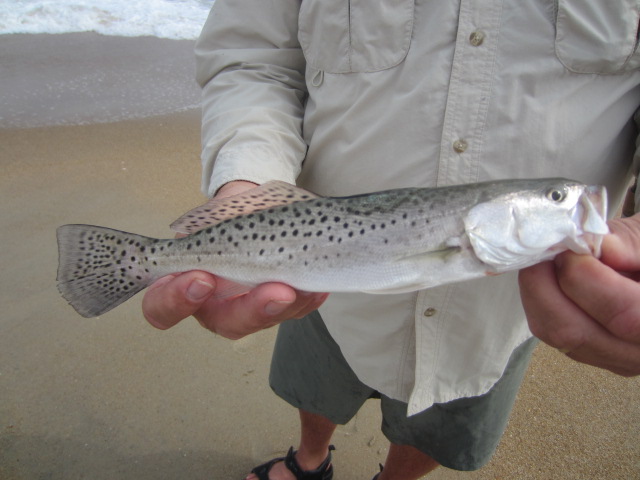 The fishing season has been an exciting one for me. I started in September in Southwest Florida. I hunted big gator trout and redfish with my friend Capt. CA in Tampa. And I caught trout and snook in the Charlotte Harbor area near Punta Gorda with my first mate.
Back home in North Carolina, I caught dozens of “specs” from both the bridges and surf. Seems the Trout fishery might just be the best it’s ever been in eastern Carolina.
I traveled up to Ocean City, Maryland for my annual off-shore charter out of Sunset Marina. This trip produced dozens of dolphin – “mahi-mahi” and a 35 pound yellow fin Tuna.
Work travel allowed me to give the rods and reels a chance to “cool off”.
October brought me more time on the water and it was almost like the light switch was never turned off. I caught puppy drum (southern anglers call them “redfish”), speckled trout, blues, black drum, and spot. It did not matter which bait I used. I caught specs on cut bait and spot on lead head with a twister tail. Just amazing for this area.
I am off for another short trip but plan to get back on the surf soon.
My best bet for success this week would be to use a standard bottom rig, #2 or #4 circle hooks, light pyramid sinker and cast into the wash from any pier or the surf. If you are fishing from a pier, try the north side in fall. It seems the old guys tell me that the north side in fall and south in spring and summer works best. Cast just past the white foam as the wave crest passes. You should find plenty of puppy drum and specs.
Remember the regulation – puppy drum 18-27 and speckled trout – 18 inches or larger.
I would also keep a light spinning set ready for those occasional runs of tailor blues or heavy trout during their migration south.
Until next time, Tightlines. Capt. Tony
 NCsaltaire