Preparation is the Key
July 1, 2014 at 11:12 am Leave a comment
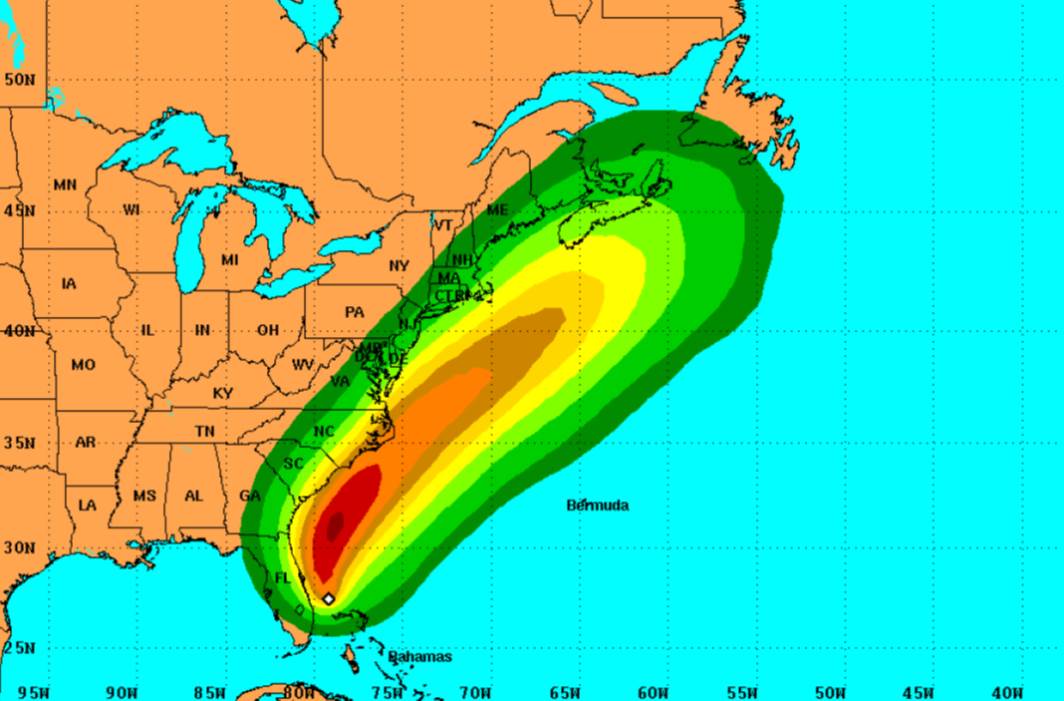 Hurricane season started a month ago and this week we are expecting the first storm of the year. Even though, TS Arthur does not appear to pose a significant threat to the Outer Banks, now is a good time for boat owners to develop a safety plan.
For boat owners, the first order of business is to monitor the weather forecasts. There are many resources out there but the best one is the National Hurricane Center. Storms typically should never surprise us. They typically form and approach very slowly, there is plenty of news out there and that usually gives us plenty of time to prepare.
Securing your vessel is the most important move. There are two ways to handle this – leave it in the water or pull it to a trailer or a cradle.
If you plan to leave in the water, you should either re-locate it to a safe harbor or moor it in place. Obviously, re-locating it is the safest way. But if you choose leave it in place, then you should make sure to secure it safely. A “must-do” is to research the potential storm surge for your area. The worst thing that you can do is to secure your vessel with dock lines that are too tight. Rising tides will destroy your moorings and pull your cleats right off your boat. Determine the amount of slack needed based on surge and secure them accordingly.
Ultimately, the best option is to remove your boat from the water altogether. I always try to place mine on a trailer. This allows me to either leave it on the driveway or pull it to safer ground. The trailer option is great but be sure to also tie the vessel to the trailer and chock the wheels so it will not move.
The cradle option is also are great way to secure your boat; just make sure the cradle is in a safe place and if possible out of the wind.
If you keep your vessel in a marina, talk to the dock master about his preparation plan. And work with him and other boats owners on the best way to prepare and protect your vessels.
Next, all curtains and any loose gear should be removed. Lower your antenna and radar equipment. Think about removing the hull plug. Typically, storms can produce a tremendous amount of rain. Sometimes up to 10-12 inches. Even though you bilge pump is working fine under normal conditions, the amount of rain may over whelm it.
I could go on more but if you do a little research you will find plenty of other resources available to guide you in developing a prevention plan. Do not let a tragedy be your teacher. Play it safe. Good common sense can play a huge part in preparing your vessel for the hurricane season.
Once you finally have everything secure, do a once over and think of your vessel as a big sail and remove any part that could possibly catch the wind or water. Think about what can go wrong and address it before the storm arrives. The best plan to remove the threat of damage before fighting “mother nature” at her worst.
Good luck with this year’s hurricane season. And with good preparation and planning, you will ride it out fine.
Until next time – Tightlines – Capt. Tony
Entry filed under: Home, Places. Tags: beach weather, boating, boating safety, cape hatteras, Kill Devil Hills, Kitty Hawk, nags head, outer banks, salt water fishing.
 NCsaltaire
Trackback this post | Subscribe to the comments via RSS Feed